
Custom Apparel Production
Start with the garment brief, fit and decoration. Approve the sample, labels and packaging before agreeing the production scope.
01 / 06Custom apparel, private labels and fulfillment for independent online stores and DTC fashion brands. From new garments to existing stock, ASG connects production, quality checks, inventory and shipping with your store.
Choose the services your products need. Agree sampling, packing, order intake and responsibility at each handoff.
Start with the garment brief, fit and decoration. Approve the sample, labels and packaging before agreeing the production scope.
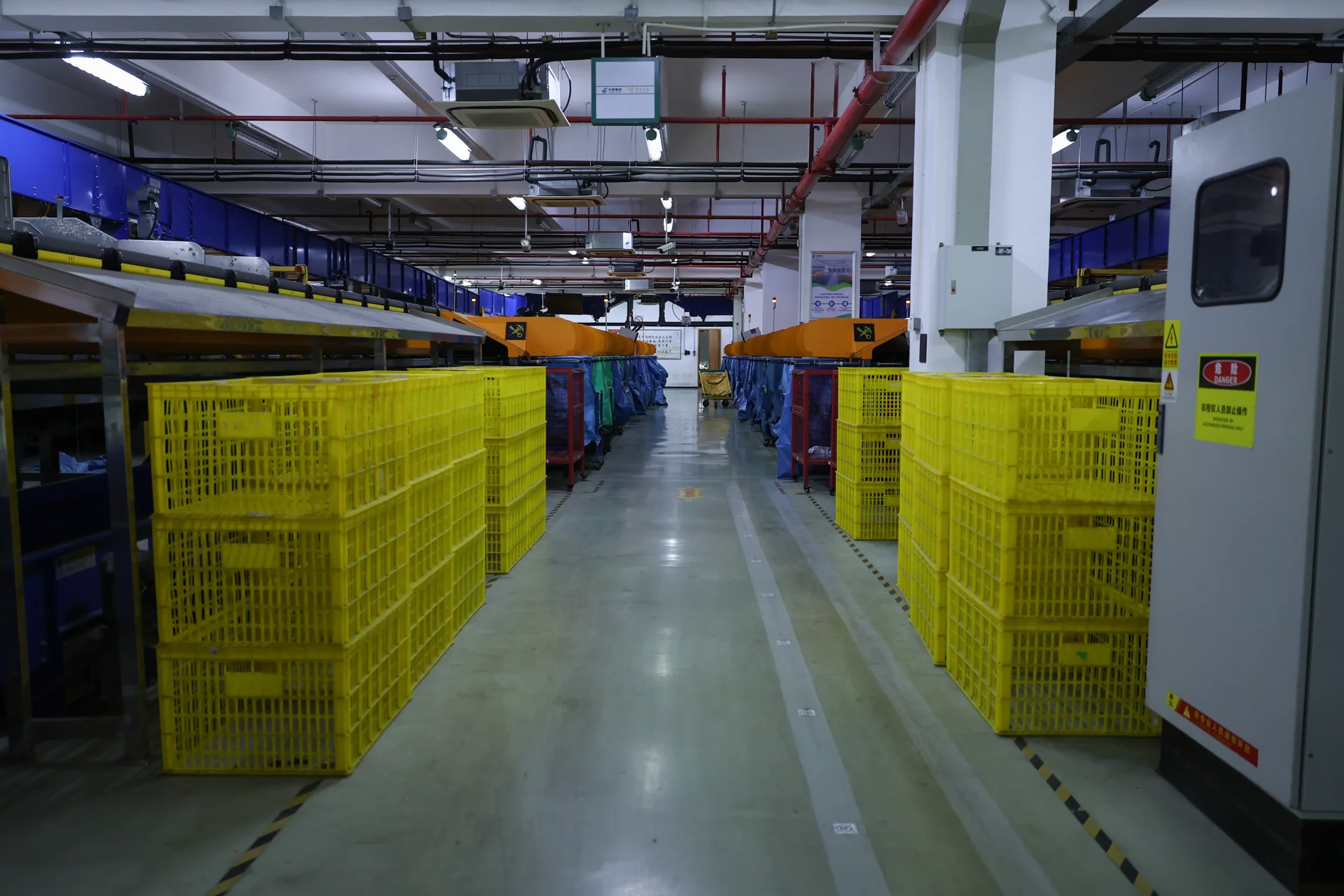
01 / 06Plan apparel storage by SKU, along with packaging supplies, stock reporting and receiving locations before fulfillment.
02 / 06Agree product, print, label and packaging checks, their inspection depth and the records needed before dispatch.
03 / 06Review the order workflow, then confirm the transfer method, variant mapping and tracking before launch.
04 / 06Agree which orders can be released, then match each style, color and size to the packing instructions. Confirm dispatch and tracking separately.
05 / 06Agree how to report defects, review returns and approve any replacement, including responsibilities and costs.
06 / 06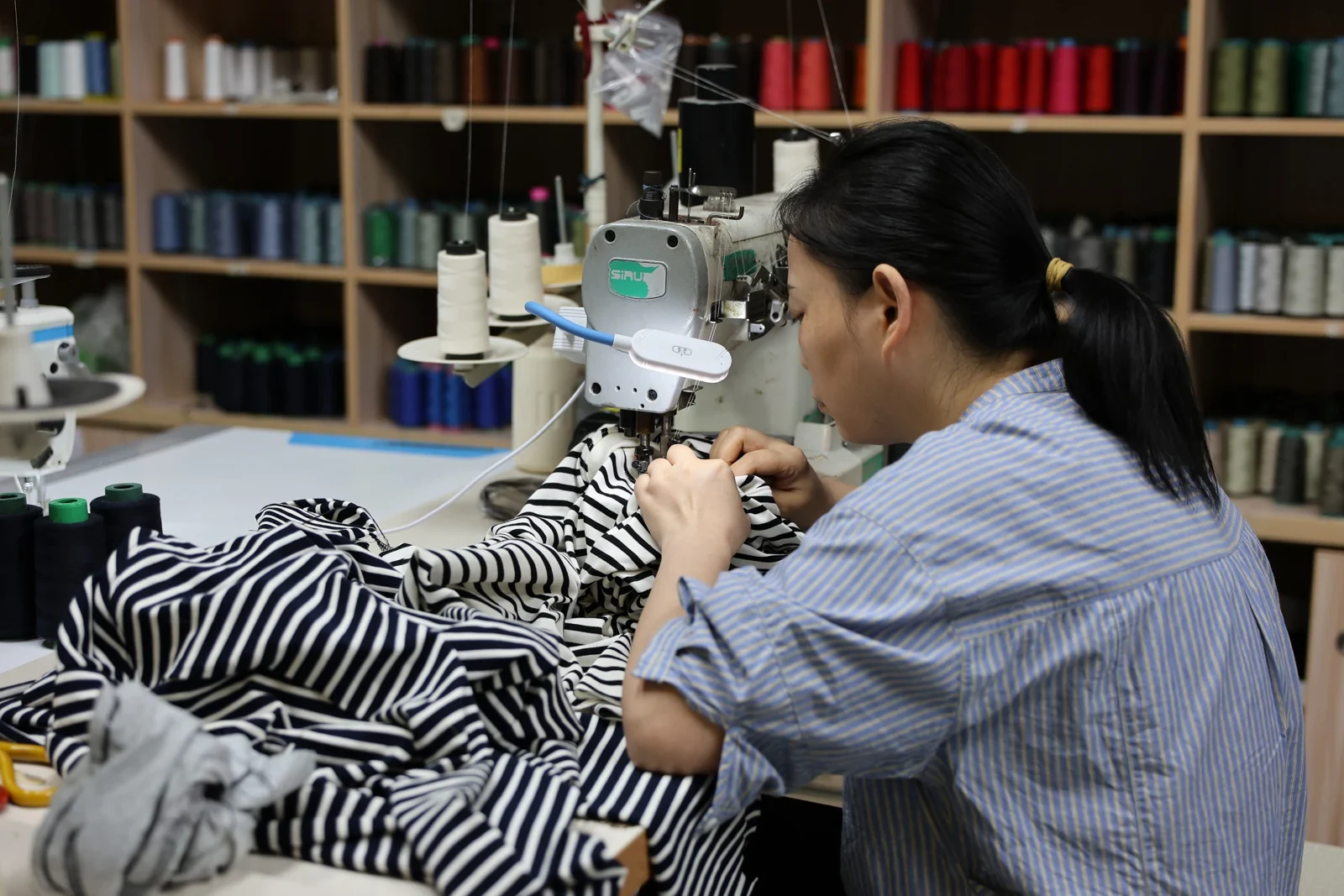
New collection
Bring a reference garment or tech pack, your intended fit and a first quantity split by color and size. Use the sample discussion to separate what must stay fixed from what can change. A neckline, fabric finish or trim change can affect more than the look of the garment.
Existing products
Already have garments? Start with the SKU list, actual quantities, current packaging and selling channels. The receiving and packing brief needs to describe the stock you are sending, including mixed cartons and products that should stay on hold. Production is a separate decision.
Growing brand
If your store has outgrown a basic POD setup, identify the specific limitation first: fit, branding, product range or the delivery experience. Compare a small inventory pilot with keeping the rest of the range on its current model. Move one defined product before changing the whole operation.
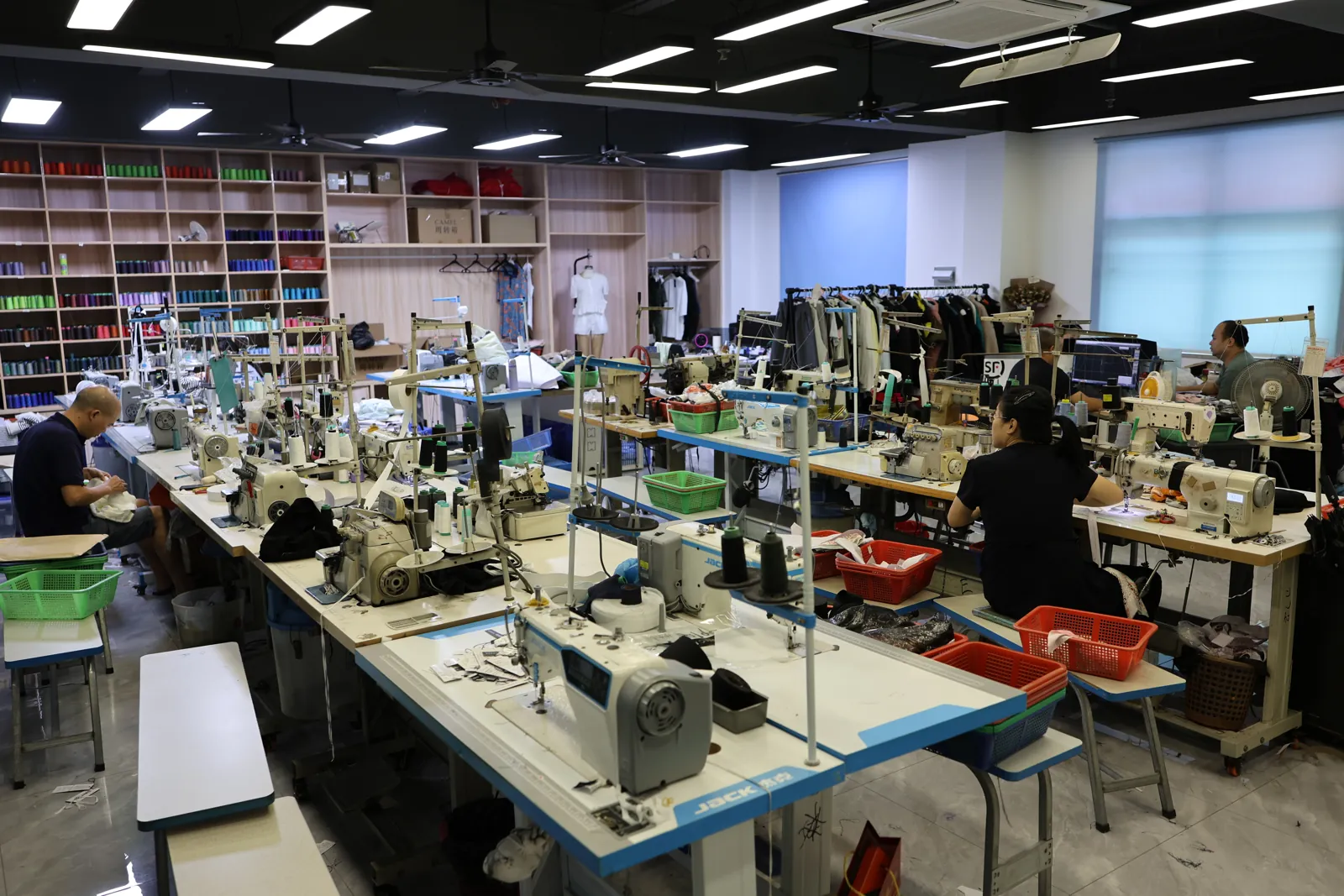
A custom apparel project moves from sampling to production, storage and fulfillment. Existing stock can enter at the warehouse stage.
Confirm garment measurements, fabric and decoration on the sample before approving a volume run.
Approve label artwork and attachment positions, along with the mailer and inserts for each product.
Agree inspection depth and defect criteria against the approved sample; review exceptions before release.
Reconcile received units by style, color and size; keep missing or held stock distinct from ready inventory.
Test order receipt, variant mapping and shipment updates; agree how failed or repeated transfers are reviewed.
Picked by SKU and packed to your brand rules.
Labeled, dispatched and tracked to the customer.
Agree return instructions, claim evidence and follow-up.
Before sampling
Give the sample a style identifier and keep the latest drawings, measurements and artwork together. Mark a reference photo as inspiration if it is not a specification. Mark the details to reproduce or develop.
Before production
Review the physical garment, not just an attractive photograph. Record fit comments, label positions and any agreed revisions against the sample version. Confirm the approved quantity split and packing requirements before moving from the sample discussion to a volume run.
Before dispatch
Receiving a garment, approving its quality and releasing a customer order are different checkpoints. Agree who can release stock, what happens to an unresolved discrepancy and what record closes it. Confirm carrier collection separately.
Start where your brand is today. Keep a print-on-demand product live, move a bestseller to private label stock, or develop a new streetwear line.
Product decisions
For a new garment, start with the silhouette and intended use. Use fabric swatches and a sample to discuss handle, drape, construction and decoration. Confirm composition, fabric weight and care requirements separately.
Branding decisions
Separate the garment specification from the neck label, care label, hang tag and packaging brief. Specify artwork size and placement, then review the physical result. A small printed mark and a sewn label need different preparation and approval details.
Inventory decisions
For a stock-based launch, plan quantities by style, color and size rather than one collection total. Keep packaging quantities in the same discussion. For a hybrid approach, identify which products stay on demand and which have approved stock available for fulfillment.
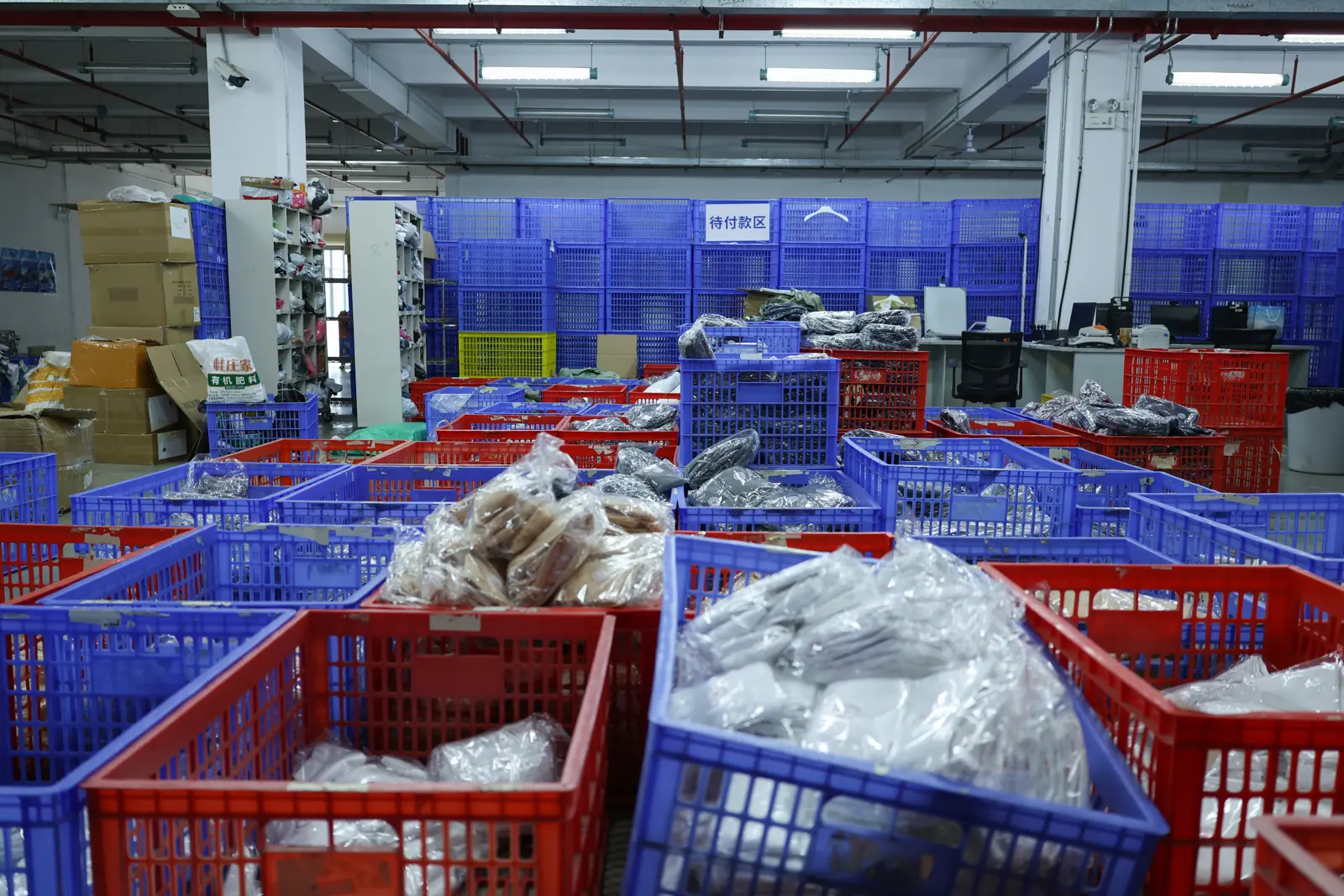
Plan finished garments and their packing materials together. Agree the inbound count, SKU identifiers and stock report before fulfillment; received, reserved and held units should be distinguishable from stock ready for an order.


Variant list
Include the style code, color, size and quantity for each stock line. If the garment label and store SKU use different identifiers, supply the mapping. Make bundles and sets explicit so one order line is not mistaken for one individual garment.
Carton plan
Record carton numbers and expected contents, including any mixed cartons. Identify samples, damaged items or other stock that should not be sold. Keep a receiving discrepancy separate from an order shortage so the team can resolve the right problem.
Packing reference
Show how each product should be folded and which inner bag, tag, insert and outer pack apply. List any materials arriving separately. Confirm a replacement rule before a packing material runs out; a similar-looking insert may carry different information.
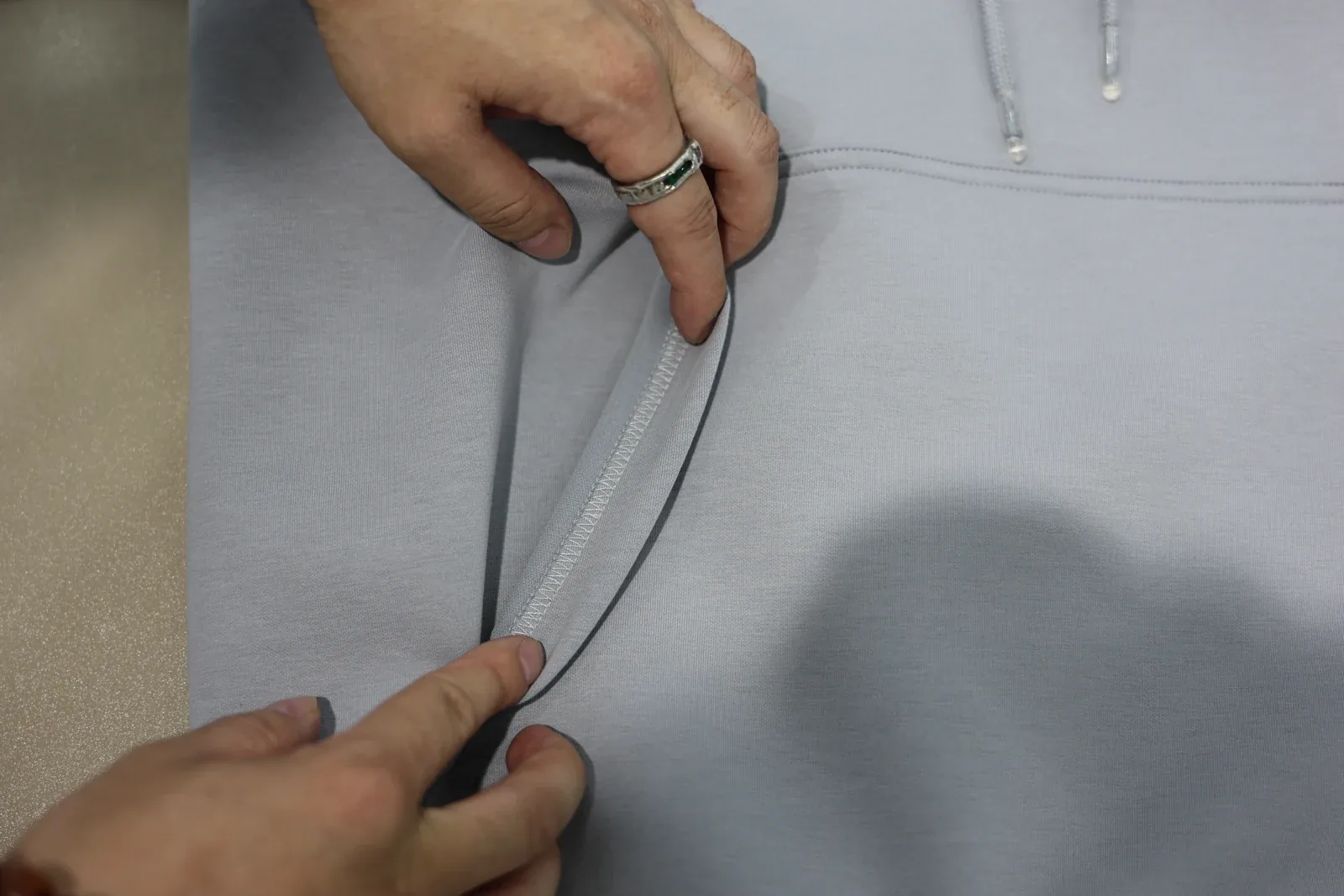
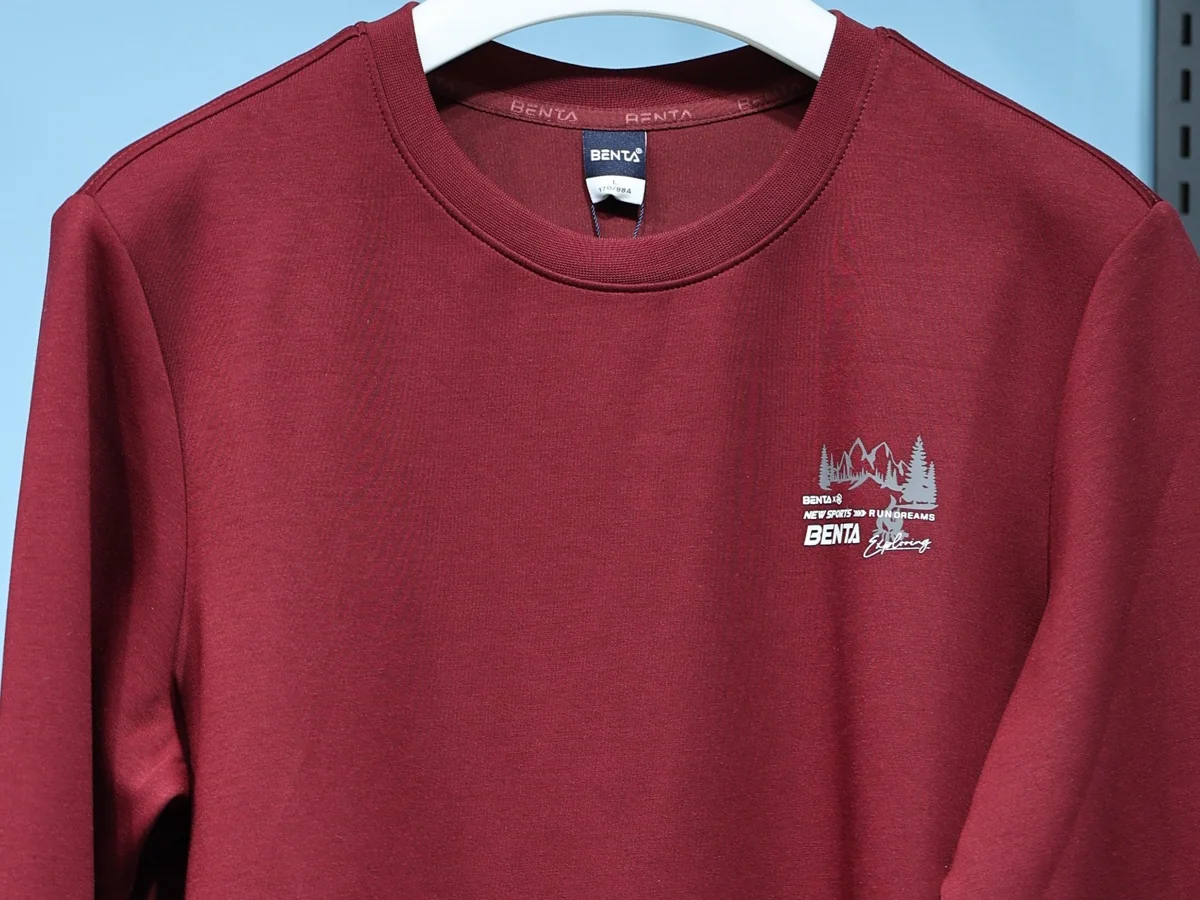
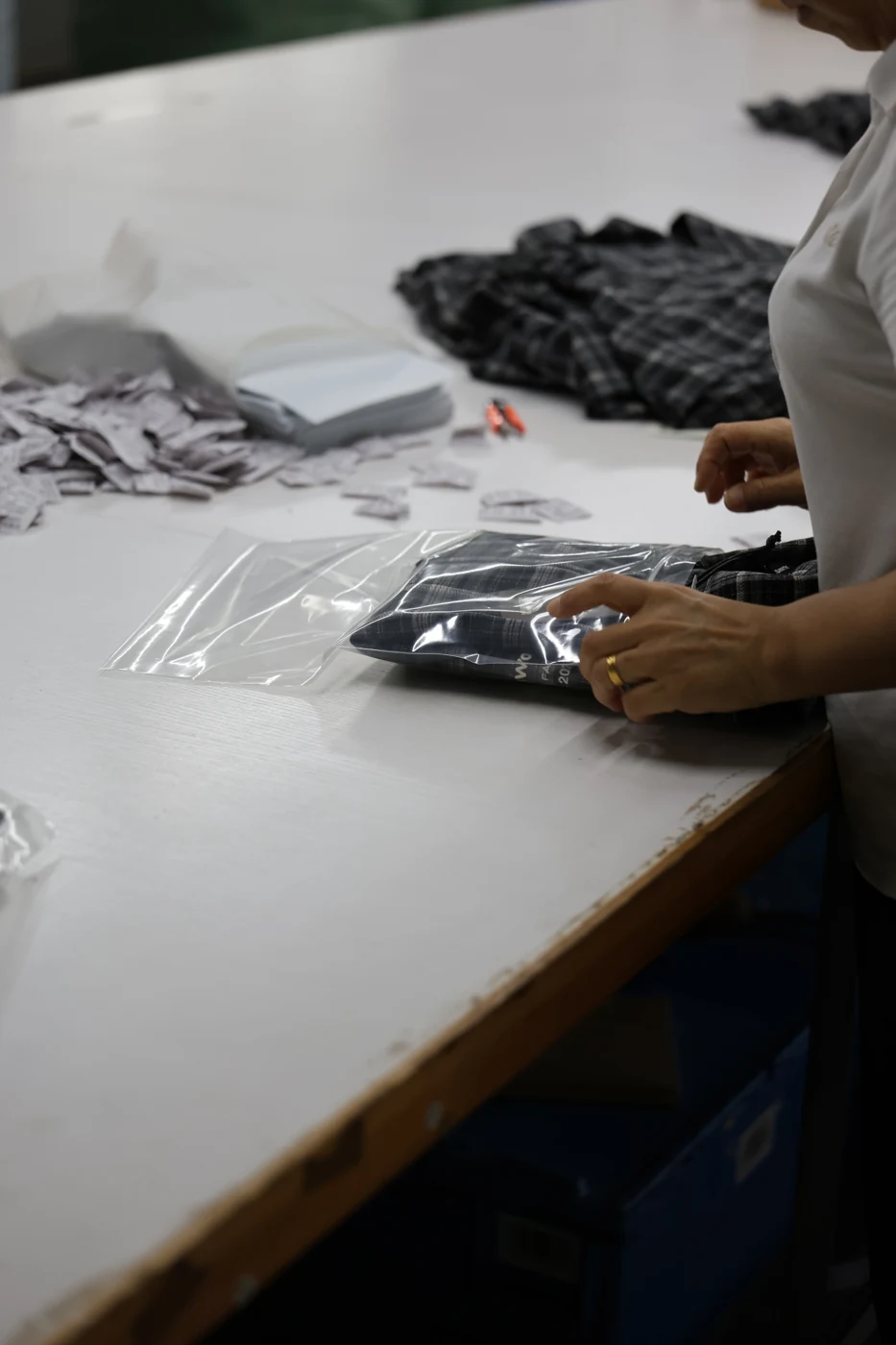
Agree the checks against your approved sample before production or fulfillment. Set the photo or video records you need when scoping the work.
Checks are set per product when you approve the sample. WearFulfill is not an independent certification body.
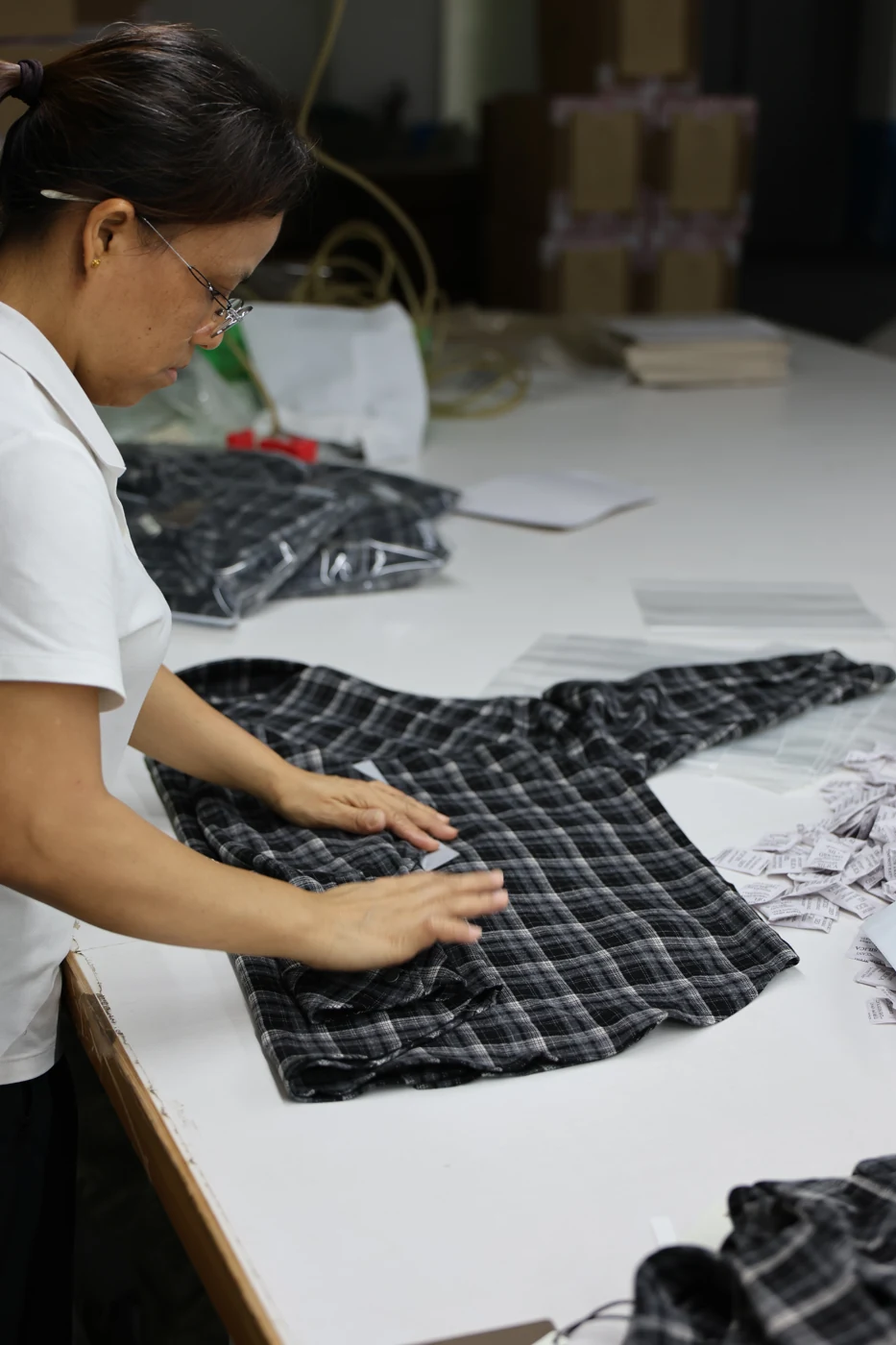
A visible reference
Use an annotated image to identify the seam, print area, label position or packing detail you want checked. Pair it with the relevant sample version. “Same as the picture” leaves room for confusion when the picture does not show the back, inside or attachment point.
A clear decision
Record what needs review, which style and batch it concerns, and whether the affected stock should remain on hold. Discuss repair, replacement or another resolution against the project terms. Keep the issue and its release decision in the same record.
A useful record
Ask for an overview and a close-up where they help explain the issue. Include a scale or a marked measurement point when dimensions matter. Agree which items to check and how the findings should be recorded.
Review the sales channel, eligible order fields and apparel variants. Agree how the ERP acknowledges receipt, maps each variant to warehouse stock and returns shipment updates. Test both directions before releasing real orders, including a failed transfer or order change; the shop and selected method determine the final scope.
Check seller-fulfilled order fields and dispatch requirements.
Scope confirmed at onboardingReview order fields and product packing requirements.
Scope confirmed at onboardingReview variant identifiers and shipment updates.
Scope confirmed at onboardingAgree required columns, validation and import handling.
File format to confirmReview order fields, permissions and update handling.
Technical scope on requestOrder to stock
Use a test order whose style, color and size are unambiguous. Compare the store order reference with the ERP record and the picking reference. Decide how unmapped products, bundles and repeated order transfers should be reviewed before release.
Stock to packing
Check that the item quantity and relevant packing instructions reach the fulfillment handoff. Discuss address edits, cancellations and held orders before dispatch starts. An edited store order should not silently become a second shipment request.
Packing to tracking
Distinguish an order received, a parcel prepared and a parcel collected. Confirm where the carrier and tracking details appear and how an unsuccessful update is handled. Review the workflow for your store and destination market during onboarding.
WearFulfill is the apparel-focused front of ASG Dropshipping. Your orders run through ASG's own warehouse and team.
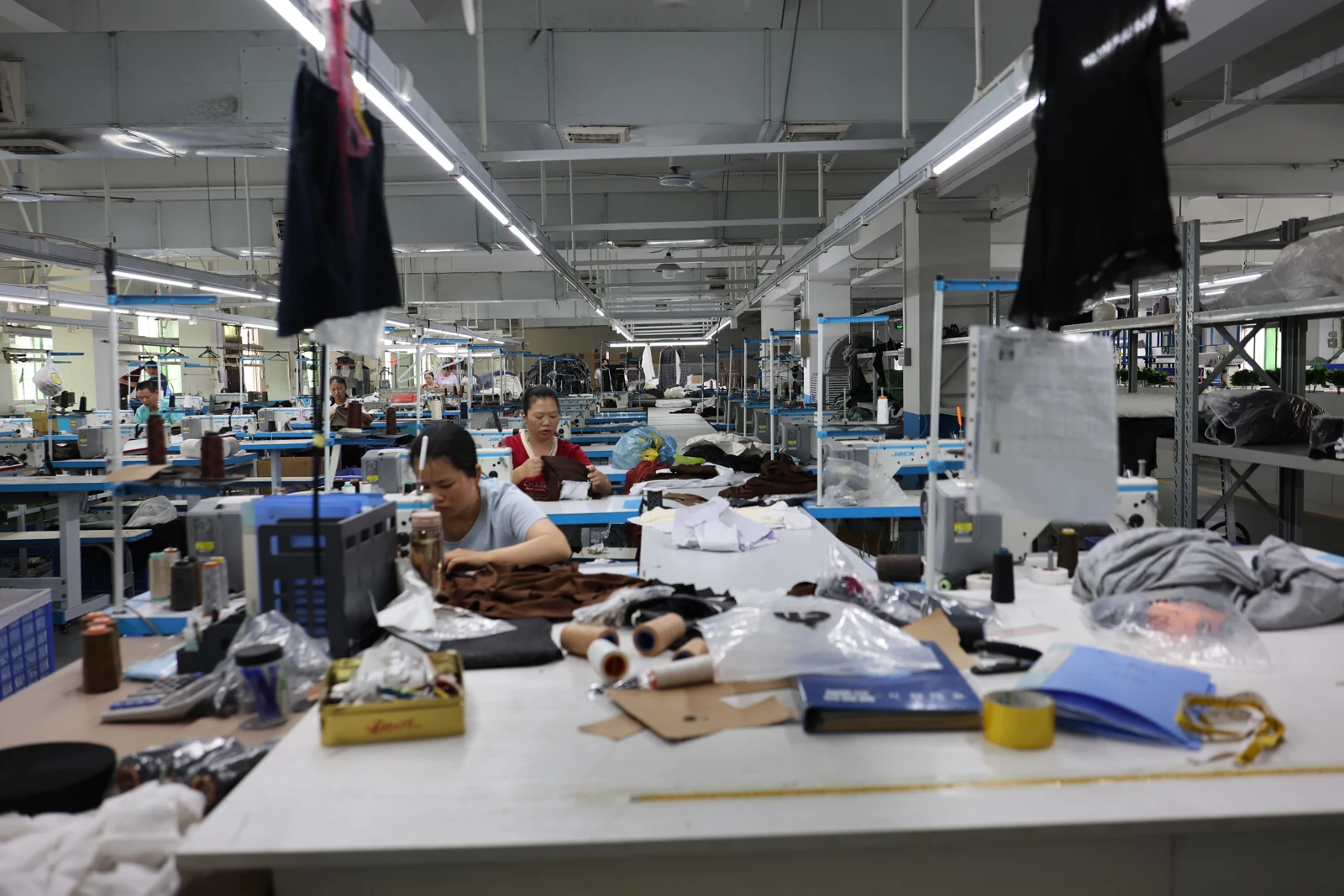
Apparel production
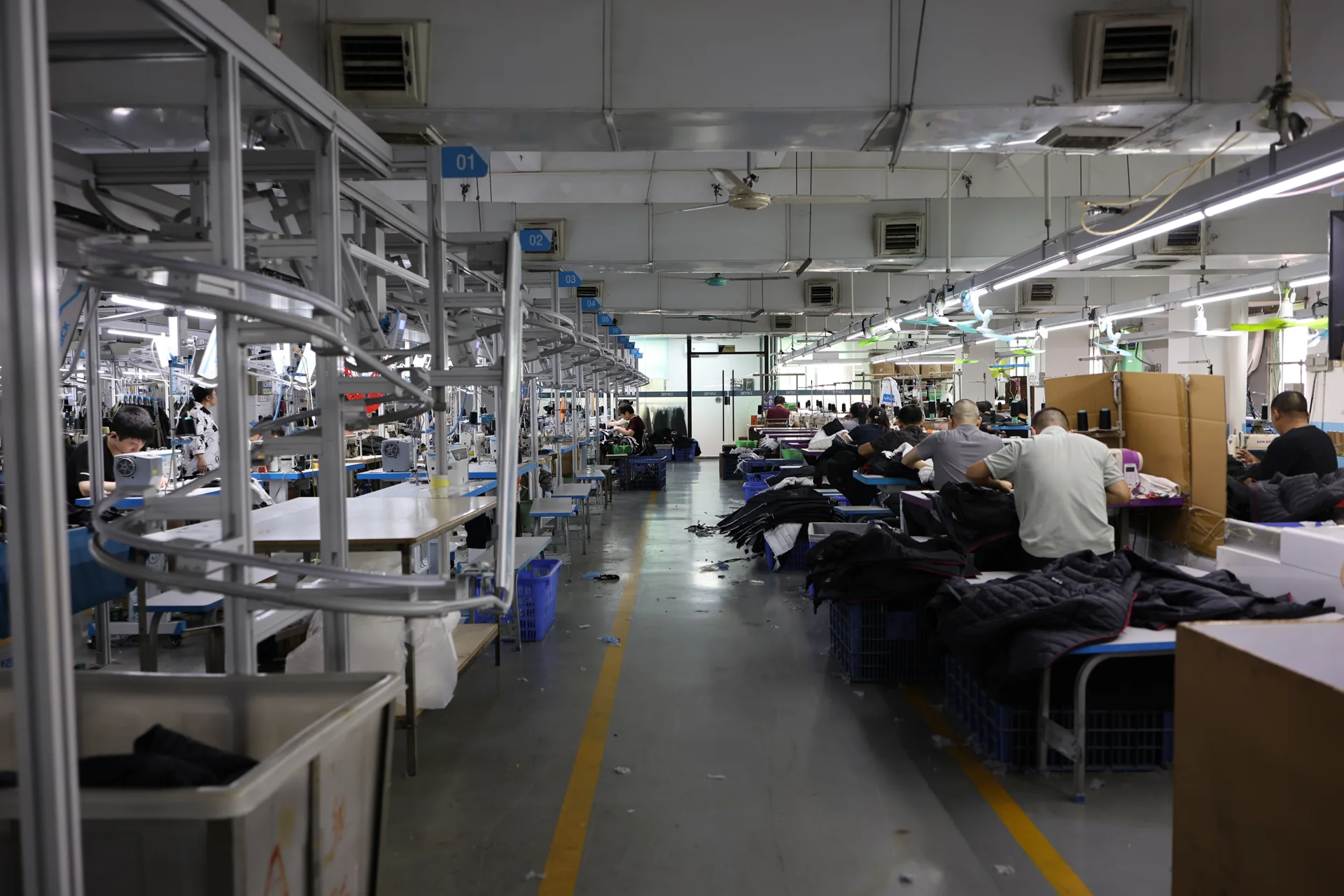
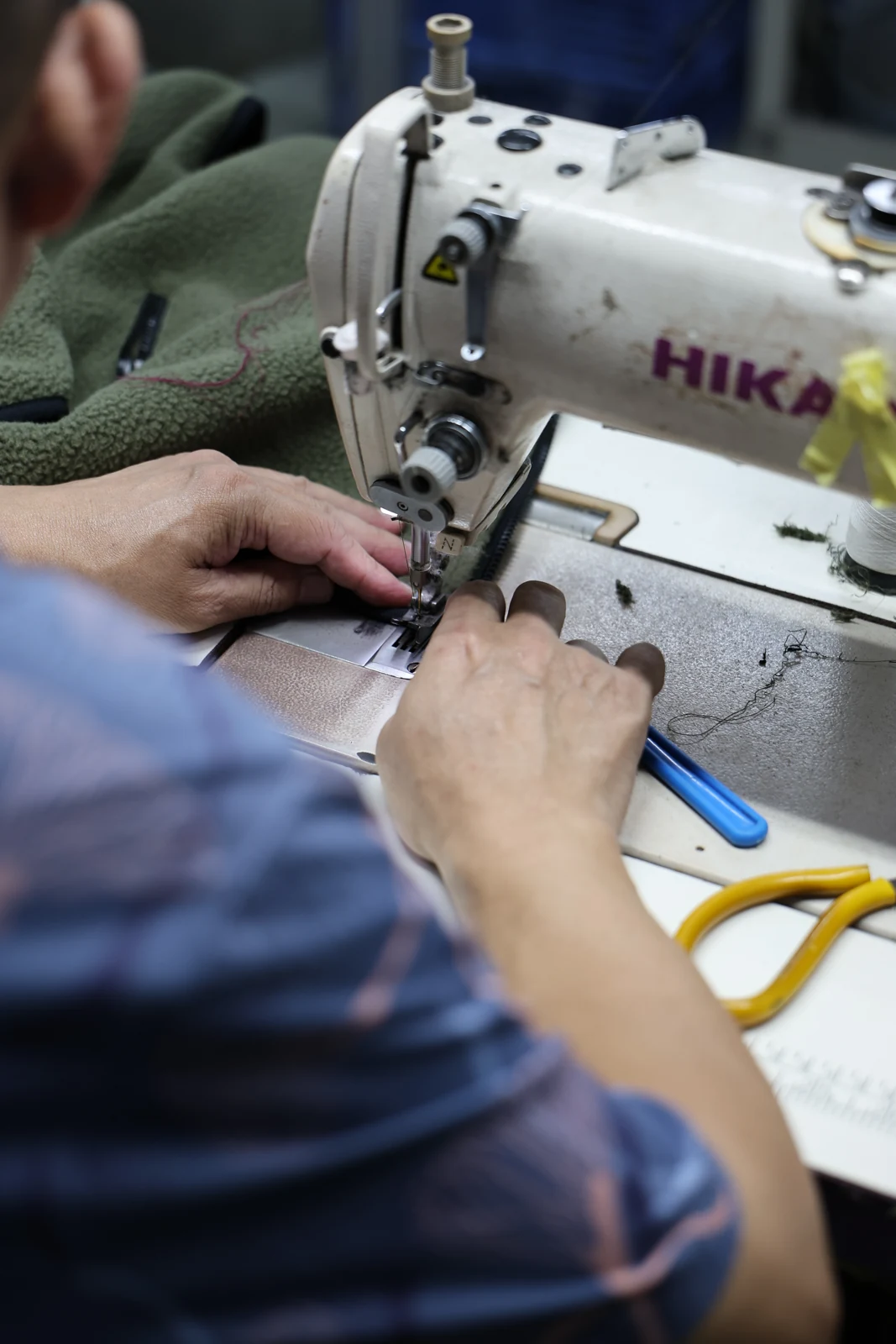
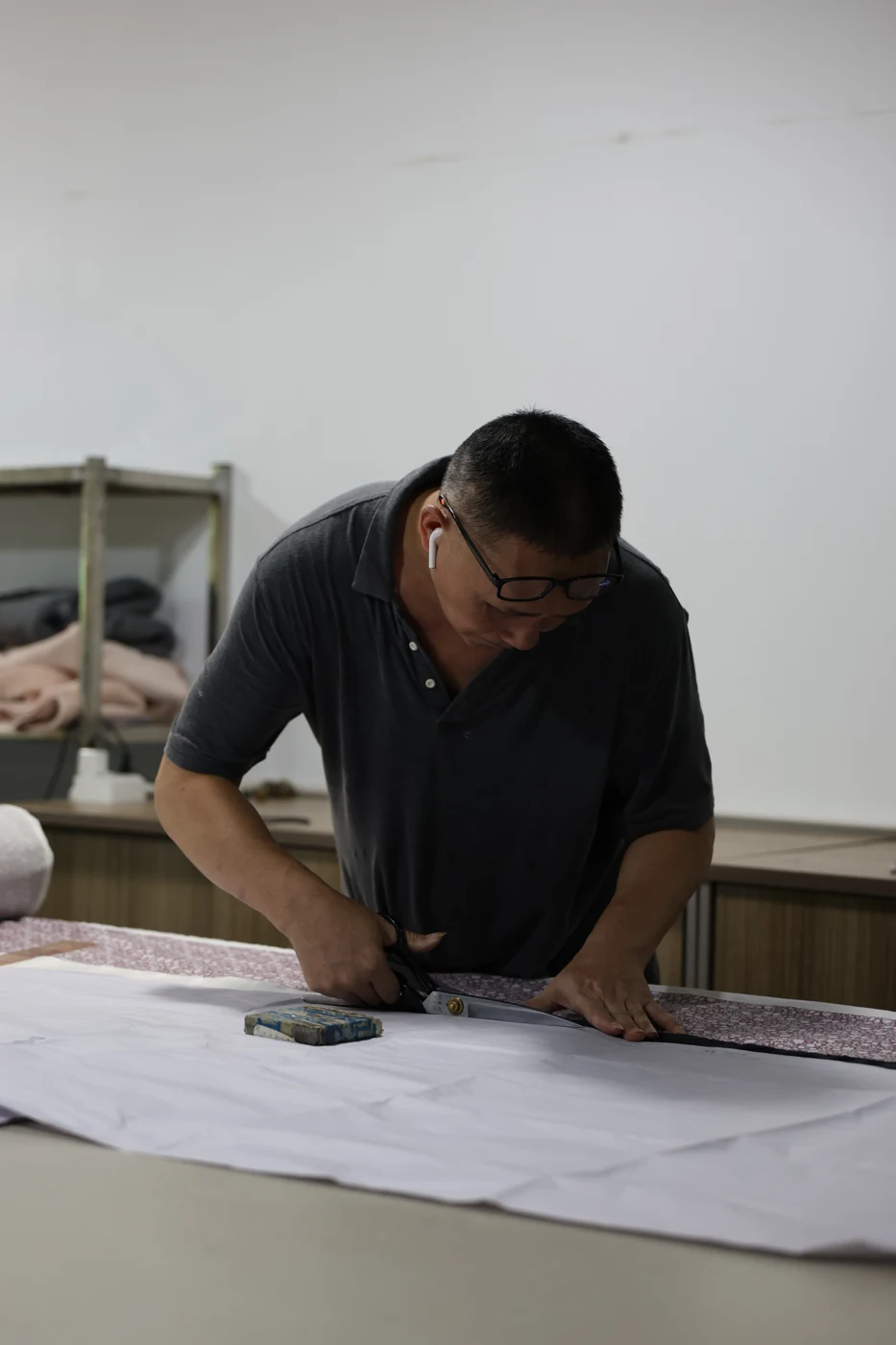
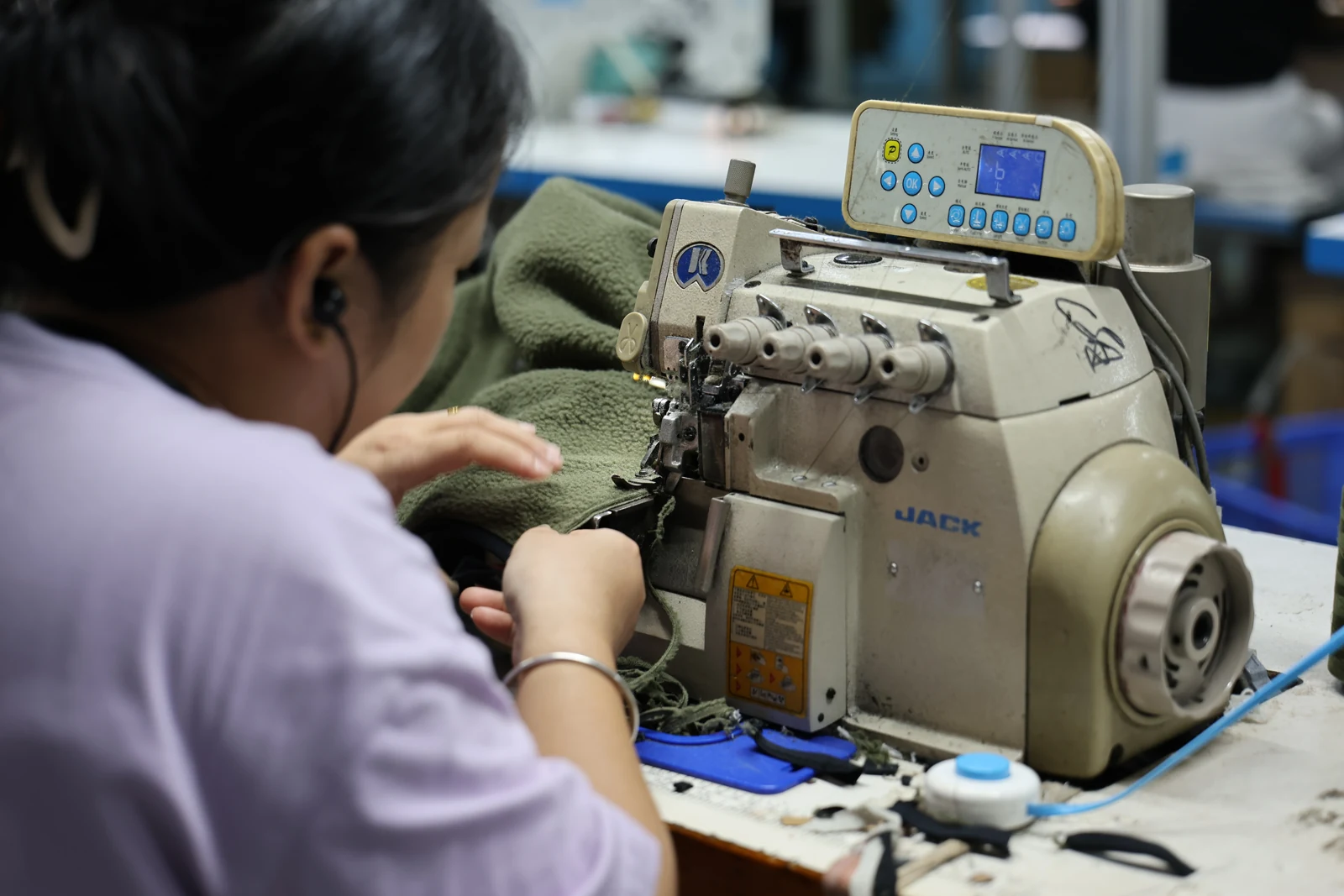
Pattern preparation, sewing and finishing are different parts of making a garment. Connect your product brief to each stage, from the pattern to the finished garment.
ASG coordination
WearFulfill is the apparel brand of ASG Dropshipping. The project discussion connects production requirements with quality, receiving and fulfillment needs. Agree the contact, approval points and delivery scope together rather than sending separate, conflicting instructions at each stage.
Your project
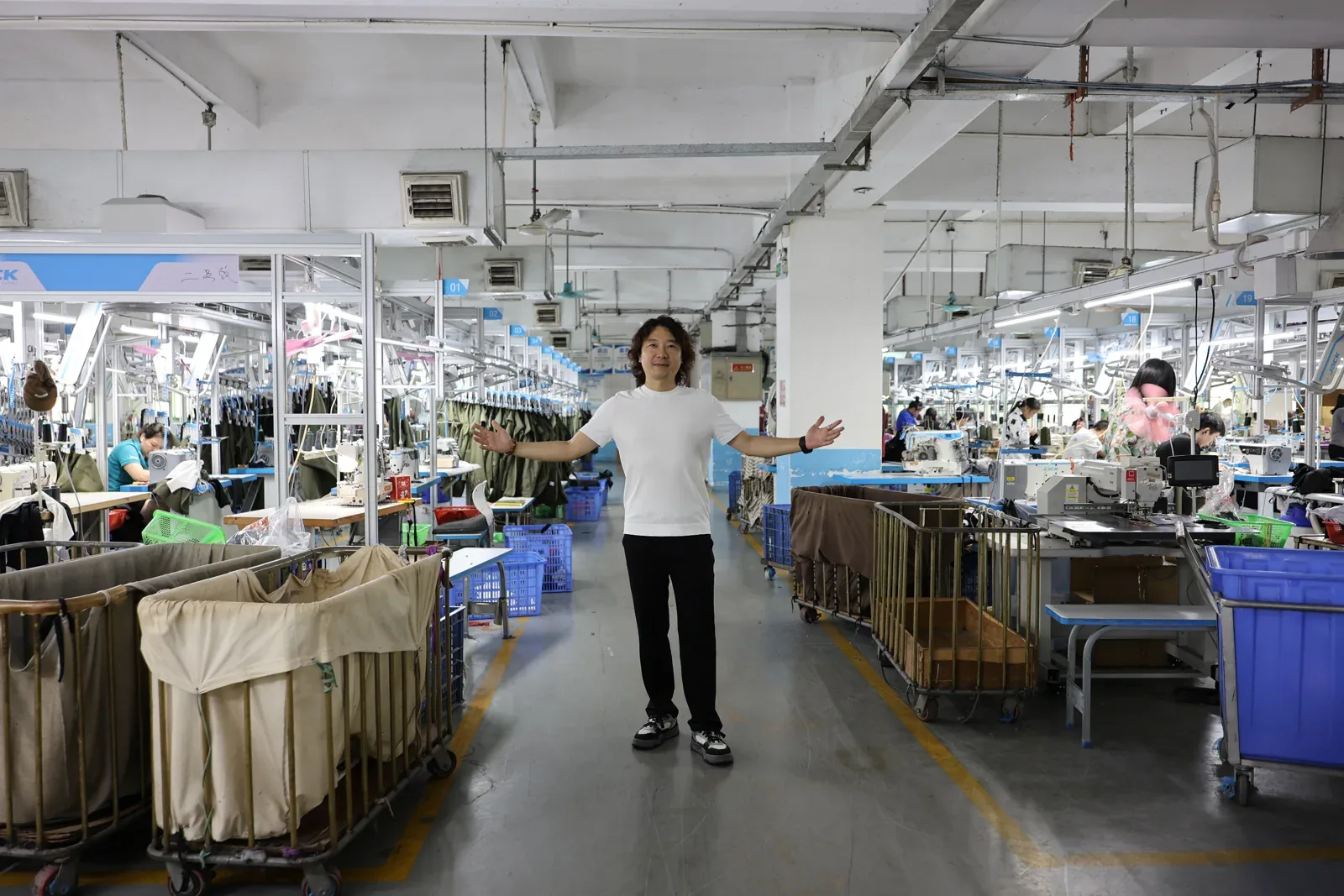
Janson is your project contact. Share the product, quantity range, selling channels and destination markets, along with the part you need help with. For existing stock, include its current location and variant list so the conversation starts with the actual handoff.
Early-stage fashion brands that have outgrown generic fulfillment and want control over product, packaging and stock.
One proven hoodie moves to your own fabric and neck label at 50 pieces per style, while POD keeps the long tail. Example scope based on our standard timings, not a named client result.
Existing tees and sweatshirts are counted by style, color and size, mapped to store SKUs and shipped per order. Example scope based on our standard timings, not a named client result.
Campaign SKUs are received, checked and staged before the live session so peak orders leave on time. Example scope based on our standard timings, not a named client result.
Independent stores
List the products that are ready, the variants you sell and the changes you want to make. Keep finished stock separate from products still in sampling. Plan the next step for each group.
DTC fashion brands
Identify the fit, decoration, labeling and packaging details that define the brand. Provide the current approved reference and flag any proposed changes. Include upcoming launches and quantity ranges as planning inputs, with dates to be confirmed in the project scope.
Marketplace sellers
Share the store platform, market and planned order route alongside the product brief. Confirm access and dispatch requirements for that route, while keeping apparel specifications and SKU identities consistent across channels.
Compare your current provider's terms with the sample, inventory and fulfillment scope you need. Confirm each point in writing before switching.
Swipe the table horizontally to read all columns.
| What to compare | Your current POD or sourcing setup | Scope to agree with WearFulfill |
|---|---|---|
| Your own neck labels and hang tags | Check label options, setup charges and minimums with your provider. | Approve artwork, attachment positions and quantities on the sample. |
| Branded mailers and inserts | Confirm packing options, material supply and per-order costs. | Agree packaging materials, storage and SKU-specific packing rules. |
| Fabric and fit choices | Review available garments, measurements and sample quality. | Agree fabric, fit and construction against the approved sample. |
| Quality checks and records | Ask which checks and records your provider includes. | Set inspection depth, defect criteria and any requested records in advance. |
| Inventory and stock risk | Confirm whether stock is held and who funds unsold units. | Plan units per SKU, inbound counts, storage and stock reporting. |
| Claims and returns | Review contacts, evidence, deadlines and available remedies. | Agree return inspection, claim evidence, responsibilities and costs. |
Compare your actual provider and project quote; capabilities and costs vary by product and contract.
Share the products you want to make or store, expected order volume, sales platforms and destination markets through the quote form. Include any sample or tech pack details and the labels or packing you need. Separate new production from existing stock so the team can review sampling, inbound and fulfillment scope before quoting.
Yes. Existing finished stock can enter the ASG warehouse workflow without starting a new garment production project. Agree receiving instructions, variant identifiers, expected quantities and packing references before sending it. Review the inbound count and any held items before the stock is released for fulfillment. Arrivals are counted and ready to ship within 48 hours.
Agree garment measurements, fabric, fit and decoration, plus neck and care labels, hang tags and packaging on the physical sample before a volume run. Record the approved version and any revisions; the sample also provides a reference for the checks and packing scope agreed for the project.
WearFulfill is the apparel brand of ASG Dropshipping. Quotes, production coordination, warehousing and fulfillment are handled by the ASG team.
Tell us what you are making or already hold in stock, where you sell and the order volume you expect. Share sample details and packing needs so the ASG quote team can review production, inbound and fulfillment scope together.